Established in 2000
PORCELAIN VENEER

Porcelain Veneers (Laminates)

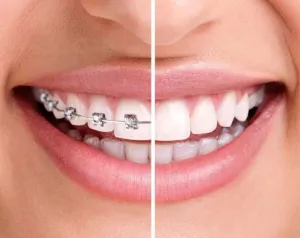
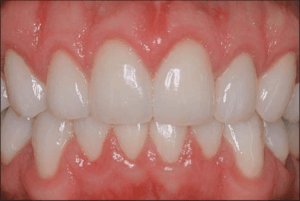
Veneers are one of the primary tools in cosmetic dentistry. If you ever wished you could radically redesign your smile, veneers could be just the solution for your teeth. Dental Veneers (sometimes called porcelain veneers or dental porcelain laminates) are laboratory fabricated, wafer-thin, shells of tooth-colored materials designed to cover the front surface of teeth to improve your appearance. These shells are bonded to the front of the teeth. They are highly esthetic and lifelike. They are designed to correct colors, sizes, shapes, spaces and alignments of teeth. They are stronger and more durable than composites.
Veneers are routinely used to fix:
  • Teeth that are discolored.
  • Teeth those are worn down.
  • Teeth those are chipped or broken.
  • Teeth those are misaligned, uneven, or irregularly shaped.
  • Teeth having gaps in between them.

ADVANTAGES:

  • They provide a natural tooth appearance.
  • Gum tissue tolerates porcelain well.
  • Porcelain veneers are stain resistant.
  • The color of a porcelain veneer can be selected such that it makes dark teeth appear whiter.
  • Veneers offer a conservative approach to changing a tooth's color and shape.

DISADVANTAGES:

  • The process is not reversible.
  • Veneers are more costly than composite resin bonding.
  • Veneers are usually not repairable when they chip or crack.
  • Because enamel has been removed, your tooth may become more sensitive to hot and cold foods and beverages.
  • Veneers may not exactly match the color of your other teeth. Also, the veneer's color cannot be altered once in place. If you plan on whitening your teeth, you need to do so before getting veneers
  • Though not likely, veneers can dislodge and fall off.
  • Teeth with veneers can still experience decay, possibly necessitating full coverage of the tooth with a crown.
  • Veneers are not a good choice for individuals with unhealthy teeth (for example, those with decay or active periodontal disease), weakened teeth (as a result of decay, fracture, large dental fillings) or for those who have an inadequate amount of existing enamel on the tooth surface.
  • Individuals who clench and grind their teeth are poor candidates for porcelain veneers, as these activities can cause the veneers to crack or chip.