 |
|
Implant is a small, sturdy, titanium post that acts as the root structure would for
a natural tooth - replacement of tooth roots. Dental implant can be placed into
your upper or lower jawbone. These implant fuses with your jawbone and forms a
secure foundation for the new tooth replacement. Once in place, the implant can be
used to attach different types of dental restorations, such as crowns, bridges or
over-dentures just like roots hold natural teeth in place. Implants are very durable
and can last a lifetime. They require the same maintenance as natural teeth; this
includes brushing, flossing and regular dental check-ups. |
| |
Types of Dental Implants
There are Three basic types of implants available at our dental clinic:
|
| |
|
Conventional Implants |
Conventional implants are applicable to almost anyone who is
looking to replace one, multiple, all-missing teeth with a
permanent restoration solution. |
|
| |
|
Immediate Implants |
Immediate implants are also known as one day or same day implants.
This is the case whereby dental implants can be placed at the same
time after teeth are extracted. |
|
| |
|
Immediate Loaded Implants |
Immediate loaded implants are whereby permanent or temporary
crowns or bridges are installed on the dental implants after its
surgical implantation. Immediate loaded implants may follow after
conventional implants or immediate implants.
|
|
| |
The type of dental implants selected will be dependent on the patients' specific needs
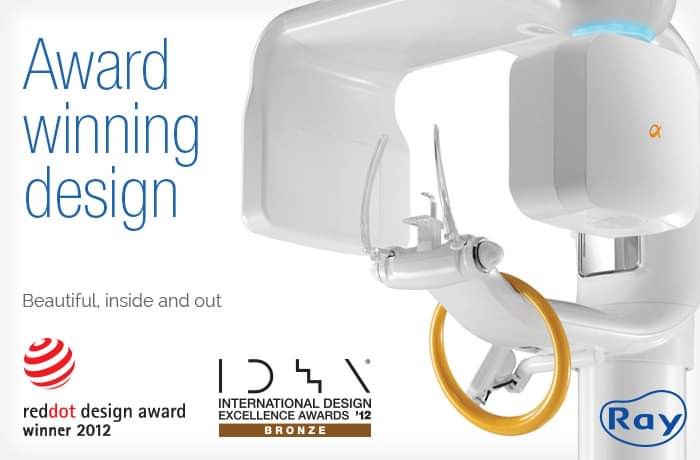
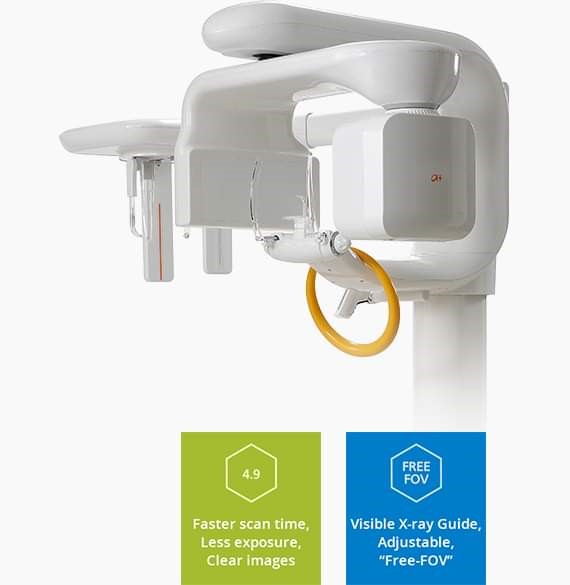
and general dental condition. A panoramic x-ray and/or CT scan (denta-scan), is usually
required to evaluate the amount of bone, determine the space available and for a thorough
examination to diagnose the options best suited for each case.
Reasons you may want to consider dental implants:
- To replace one or more teeth
- To provide support for a partial denture
- To increase the support and stability of full upper or lower denture
|
Dental Implant Restoration Types:
|
| |
| Single Tooth Missing |
|
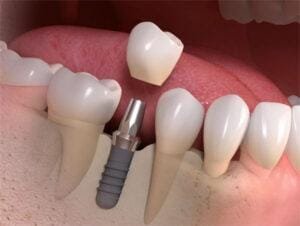
The single tooth implant restoration consists of three parts. Namely, the implant
post -- which replaces the tooth root, the abutment -- which will support the crown
and the prosthetic crown itself. The crown is either cemented onto the abutment or
held in place with a screw.
|
|
| |
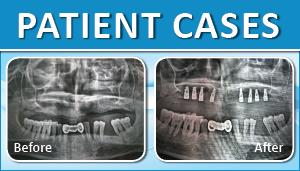
| Multiple Tooth Missing |
|
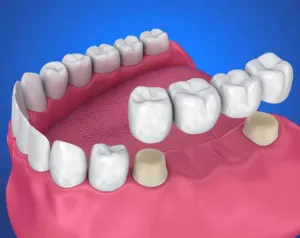
An implant fixed bridge is very much like a conventional bridge except the support is actually over implants rather than natural teeth. The implants themselves act as man-made roots. A great advantage is that it is self-supporting unlike conventional tooth-supported bridges that put a heavier load on the remaining teeth. |
|
| |
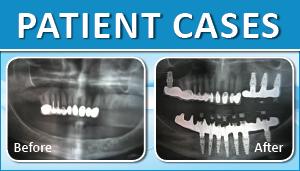
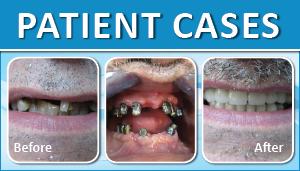
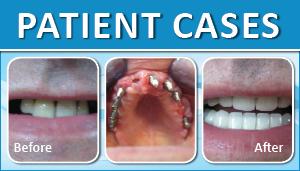
| All Teeth Missing |
When all teeth are missing or in a condition that all teeth need to be replaced, there are two basically types of full arch implant reconstructions options:
1. Fixed bridges anchored to dental implants
2. Implant Supported Dentures
|
|
|
Go to sections on treatment procedure and steps for :
|
| |